
The Cannabis Career Journey

India Phoenix • September 29, 2022

Plan Your Cannabis Career Journey

A man is walking down a dirt road.

The Cannabis Career Journey 


When you’re in the early stages of building your career in the cannabis industry, you might find yourself in a cycle of trial and error. Or, like my mother would say, throwing spaghetti at the wall to see what sticks.

While it would be nice if all careers followed a linear path with a clear direction from point A to point B, the truth is that most career paths are rolling hills with detours and dead ends aplenty.


Naming Your Career Journey 

Regardless of industry or profession, most career journeys follow a similar path. Naming your career journey and identifying the stage you’re in at a given moment will help you set attainable goals to reach your ultimate career destination. 

Some stages will be demanding while promoting growth and others will encourage rest and rejuvenation to maintain your career success. Knowing the stages and understanding the tenets of each will provide a framework to identify your current status and develop a plan for the future. 

Discovery Phase

Everyone starts in the discovery phase. 


Typically this phase is occupied by recent graduates and young professionals ready to start building a career but lacking the direction to do so. Sometimes, this can also be a helpful phase for those who are looking to transition to a new industry or rebrand their professional identity. 

This phase is vital for establishing your career in the cannabis industry. It will be when you learn more about the industry and the career opportunities available to you. Use this phase wisely by spending time in self-reflection. 


If ever there was a time to throw spaghetti at the wall, this is it! Try out different roles and identify what ignites your passion. If you’re looking to work in plant-touching roles this is a great time to learn more about the cannabis plant and the speciality focuses throughout the seed-to-sale process. If working directly with flower isn’t for you, then use the discovery phase to identify your skills and passions that can serve the industry through ancillary cannabis roles


In the discovery phase, the goal is to identify the right path for you! Don’t be afraid to come back to this phase at any time during your journey until you find where you fit into the cannabis industry. 


Establishment Phase 

Once you’ve identified your skills and passions and have decided on a path for your career, it’s time to establish yourself within the cannabis industry. During the establishment phase, you’ll conduct your job search, apply, and accept your first long-term position in the cannabis industry. 


For most newcomers to the cannabis industry, it’s recommended to work in a dispensary or similar plant-touching business to develop your knowledge about cannabis and how the industry functions. However, for those transitioning to the cannabis industry, you may find that your path includes working an ancillary position supporting the cannabis industry with the skills and experiences you’ve picked up along your career journey. 


The goal of the establishment phase is to learn about the industry, develop skills unique to the industry, and build strong connections within the industry. If you’re in this stage already and looking to strengthen your cannabis network but are unsure how to do so, attending a local networking event can help establish yourself in the industry more quickly. 


Growth Phase 

Once you establish yourself in the cannabis industry, you may think you’re done. And for some, they are. However, most people will want to expand their careers beyond their first or second entry or mid-level position. 

In the growth phase, the goal is to continue furthering your skills and maintain healthy career stability and progression. Growth isn’t linear and doesn’t necessarily mean chasing a promotion. When in the growth phase, instead you define what growth means for you.

For some, this may be as simple as taking
online courses or joining a MasterClass to further develop your skills. For others, it could involve starting a new entrepreneurial venture or accepting leadership roles at their company.

While in this phase, it’s likely that you accept a couple of promotions and corresponding pay increases. If you feel like you’re not progressing in the ways you want, this stage can also be a great time to determine if you’ve outgrown your current position or company. If so, the next and final stage may be where you find yourself next. 


Transition 

With every chapter comes an ending. Turnover is a major challenge for most industries, and the cannabis industry is not exempt.

Throughout your cannabis career journey, you may find that the role you’re in is no longer suited for your passions and skills. That’s okay!

The transition phase is one that you can revisit at any point in your career journey, regardless of if you’ve been working in the industry for two or ten years. Transition has less to do with the cannabis industry and is more of an internal shift within you. You may come to a point in your career where you’ve reached the point of letting go and starting anew. We’re here to empower you in doing so!

Starting over to follow a new path is not only expected, but it’s encouraged. The cannabis career journey is not a linear path, and transition is just part of the process.


Cannabis Career Resources 

If you find yourself in a transition phase and are unsure what comes next, don’t panic! Regardless of what phase of your cannabis career journey you’re in, our training center wants to help you along your path. 


Our resource library is full of articles, online courses, and free downloads for you to start your cannabis industry career anew, or for the very first time.



By Kristina Ferrari January 29, 2026
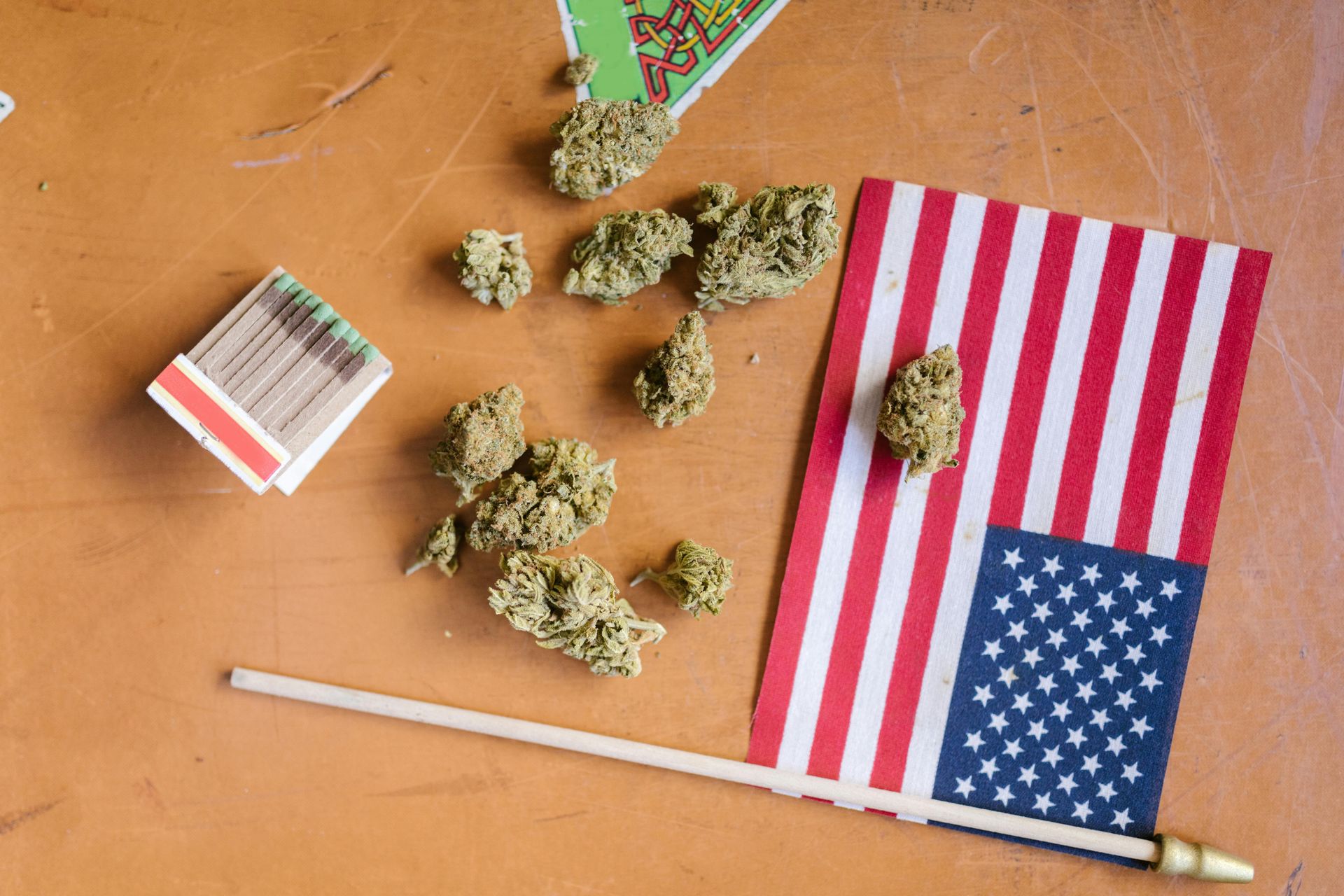
What’s the Buzz About Trump Signing the Cannabis Rescheduling Order? A Real Look at What’s Happening, What People Are Saying, and What It Means for the Industry.  If you’ve been scrolling cannabis news feeds lately, you’ve probably seen a flurry of headlines about President Trump and cannabis rescheduling. But what’s real, what’s rumor, and what actually matters for the industry? Let’s break it down in a way that’s interesting, honest, and grounded in facts. The Big Moment: Trump Did Sign an Order, But It Isn’t Full Legalization On December 18, 2025 , President Trump signed an executive order directing the U.S. government to speed up the long-stalled process of moving cannabis from Schedule I , where it’s listed with heroin and LSD, to Schedule III , alongside drugs like Tylenol with codeine. This move was widely reported by major outlets, including CBS News . This is a major federal shift in U.S. drug policy, but here’s the critical nuance: this order does not instantly legalize cannabis nationwide , nor does it immediately change how state-legal markets operate. The executive order directs federal agencies, particularly the Department of Justice and the DEA, to complete the formal legal steps required under the Controlled Substances Act, as outlined by legal analysts at The Ohio State University’s Drug Enforcement and Policy Center . Timeline: When It Happened and What’s Next December 18, 2025 President Trump signed the executive order initiating cannabis rescheduling, officially kicking off the federal rulemaking process. ( CBS News ) Rulemaking Still Pending While the order is signed, the rescheduling isn’t final yet. The Attorney General must complete a formal rulemaking process, which includes issuing proposed rules, allowing for public comment, and then publishing final regulations. According to legal experts at OSU’s Drug Enforcement and Policy Center, this process can take months, or longer, depending on legal challenges or administrative delays. ( Moritz College of Law ) In other words, while the direction is set, implementation takes time. What Industry People & Experts Are Saying Optimistic Reactions Across much of the cannabis industry, reaction has been cautiously celebratory. Cannabis executives, investors, and policy watchers have called the move “historic,” particularly because it signals a federal acknowledgment of cannabis’s medical value. Industry leaders interviewed by Business of Cannabis noted that rescheduling could dramatically shift how cannabis businesses are viewed by regulators, banks, and investors. ( Business of Cannabis ) One of the most talked-about benefits is the potential removal of IRS Section 280E , which currently prevents cannabis businesses from deducting standard operating expenses. Analysts told Cannabis Business Times that eliminating 280E could significantly improve margins and operational stability for licensed operators. ( Cannabis Business Times ) Cautious or Critical Voices Not everyone sees this as a win. Advocacy groups, including the Drug Policy Alliance, warn that moving cannabis to Schedule III still keeps it criminalized at the federal level. This means arrests, enforcement disparities, and access issues could continue, especially for communities already disproportionately impacted by prohibition. ( Drug Policy Alliance ) Others argue the move primarily helps large, well-capitalized companies while leaving social equity and criminal justice reform largely unaddressed. What This Actually Means for the Cannabis Industry 1. Potential Tax Relief If Schedule III status becomes final, cannabis businesses may finally escape the burdens of Section 280E, allowing them to deduct payroll, rent, and other ordinary business expenses, a long-standing pain point for operators. ( Cannabis Business Times ) 2. Expanded Research Opportunities Schedule III classification could make it easier for researchers to study cannabis for medical use. The federal government has already signaled interest in expanding legitimate cannabis research, particularly around medical applications. ( White House ) 3. No Instant Federal Legalization Rescheduling does not mean: Nationwide recreational legalization Interstate cannabis commerce State laws being overridden Local and state laws will still determine access and legality. While moving cannabis to Schedule III is a significant federal policy shift, it does not make cannabis federally legal and does not override existing state cannabis regulations — a distinction legal analysts emphasize in detailed breakdowns of what the rescheduling order does and does not change for the industry, including this analysis from Akerman LLP . 4. Medical Cannabis Likely Comes First Early federal impacts are expected to focus on medical cannabis and research pathways. MJBizDaily reports that recreational markets may see little immediate change, while medical programs could benefit sooner. ( MJBizDaily ) What People Are Saying Online: Hype vs. Reality Social media reactions range from excitement to confusion. Some investors believe rescheduling is the first step toward full legalization, while others caution that implementation still has many hurdles. Online forums like Reddit reflect this divide, with users debating whether this move is symbolic or substantive. ( Reddit Discussion ) Industry professionals tend to focus on tangible outcomes, taxes, research, and regulatory legitimacy, while activists point to what’s still missing: expungement, equity, and true descheduling. ( Drug Policy Alliance ) Bottom Line: A Big Shift, But Not the Finish Line This executive order marks one of the most significant federal changes to cannabis policy in decades. It could: Reduce financial pressure on legal businesses Expand research and medical understanding Increase legitimacy for the cannabis industry But it’s not full legalization, and it doesn’t end prohibition outright. As legal scholars emphasize, rescheduling is just one step in a longer policy journey. ( Moritz College of Law ) For cannabis professionals, students, and businesses alike, this moment is worth watching closely, with excitement, optimism, and realistic expectations.
By Kristina Ferrari October 13, 2025
The body content of your post goes here. To edit this text, click on it and delete this default text and start typing your own or paste your own from a different source.
By Kristina Ferrari May 28, 2025
Illinois Cannabis Industry Prepares for Transition from BioTrack to Metrc
By Kristina Ferrari April 10, 2025
The Rise of THC-Infused Beverages: A Game-Changer for the Cannabis Industry
By Kristina Ferrari January 23, 2025
Navigating the Future: Cannabis Industry Outlook Amidst New Legislation and Leadership As we step into 2025, the cannabis industry stands at a pivotal juncture, influenced by evolving legislation and shifts in political leadership. At the Illinois Cannabis Training Center (ICTC), our mission is to equip individuals with the knowledge and skills necessary to thrive in this dynamic landscape. Federal Rescheduling and Legislative Developments A significant development on the horizon is the potential rescheduling of cannabis under the Controlled Substances Act. The U.S. Drug Enforcement Administration (DEA) is considering reclassifying cannabis from Schedule I to Schedule III, following recommendations from the Department of Health and Human Services. This change could alleviate some federal restrictions, offering financial and operational benefits to the industry ( Reuters ). However, the DEA’s stance has faced criticism from industry advocates who argue that the agency is resistant to change and may be excluding pro-cannabis voices from the discussion ( MarketWatch ). The Trump Administration’s Approach to Cannabis The leadership of President Donald Trump adds a layer of complexity to federal cannabis policy. While Trump has previously expressed support for state-level decision-making on cannabis legalization, his administration’s recent appointments and policy directions raise questions about the future of cannabis reform. Key appointees like Pam Bondi and Marty Makary, both vocal critics of cannabis reform, indicate a potentially conservative approach to policy changes ( New York Post ). Bondi has a history of opposing marijuana legalization efforts, citing public health concerns, while Makary has criticized the rapid expansion of the cannabis industry without sufficient regulation. Trump’s administration has emphasized law and order, which could translate into stricter federal enforcement of existing cannabis laws. This might include intensified scrutiny on interstate cannabis commerce, a clampdown on unlicensed operations, and more rigorous oversight of product safety standards. For example, past federal enforcement under conservative leadership has targeted unlicensed dispensaries and heightened penalties for non-compliance, a trend that could continue ( Brookings Institution ). While these measures aim to address gaps in regulation, they could also impose significant compliance burdens on legal operators, as seen with increased reporting and auditing requirements in other sectors ( CNBC ). Congressional Legislative Efforts and Their Impact In addition to the Trump administration’s policies, Congress is playing a crucial role in shaping the cannabis industry’s outlook. Key legislative proposals aim to address industry challenges and unlock new opportunities: SAFER Banking Act The Secure and Fair Enforcement Regulation (SAFER) Banking Act has gained bipartisan support in Congress. By granting cannabis businesses access to traditional banking services, this act could reduce cash reliance, lower theft risks, and enhance financial stability ( Reuters ). MORE Act The Marijuana Opportunity Reinvestment and Expungement (MORE) Act proposes decriminalizing cannabis at the federal level, expunging past convictions, and investing in communities disproportionately affected by the War on Drugs. Its passage would mark a significant step toward social equity in the industry ( NORML ). States Reform Act Proposed by Representative Nancy Mace, this bill seeks to federally decriminalize cannabis while allowing states to regulate its sale and use. By introducing a tax structure similar to that of alcohol, the States Reform Act aims to provide a unified federal framework without overriding state autonomy. Its implementation could normalize cannabis operations and encourage interstate commerce, though compliance costs may increase ( MarketWatch ). Farm Bill Reauthorization Discussions around the Farm Bill include expanded support for hemp products and clearer regulations on THC limits. These updates could address inconsistencies in hemp regulations, enabling broader market participation for CBD and other hemp-derived products ( Trap Culture AZ ). State-Level Momentum and Market Expansion Despite federal uncertainties, state-level initiatives remain a significant driver of growth. States like Pennsylvania, Hawaii, South Carolina, Wisconsin, and New Hampshire are poised to consider cannabis legalization in 2025 ( Trap Culture AZ ). In Illinois, the cannabis market continues to expand, creating opportunities for trained professionals such as budtenders and dispensary managers. Preparing for Opportunities with ICTC At ICTC, we are committed to empowering individuals to seize these emerging opportunities. Our state-approved programs, such as the Accelerated Dispensary Bootcamp and Dispensary Management Training , provide comprehensive education on regulatory compliance, plant science, and dispensary operations. These skills are essential as the industry adjusts to new federal and state policies. Conclusion  The cannabis industry in 2025 is navigating a complex interplay of federal and state regulations under new political leadership. Legislative reforms, such as the SAFER Banking Act and States Reform Act, present opportunities to normalize and expand the industry, while challenges remain in the form of stricter enforcement and compliance requirements. By staying informed and acquiring essential training, individuals and businesses can position themselves for success. At ICTC, we’re here to support your journey, providing expert training and resources to help you thrive in this ever-evolving industry. Visit us at Illinois Cannabis Training Center to learn more about our courses and how we can help you achieve your goals.
By Kristina Ferrari December 3, 2024
The Latest on Cannabis Rescheduling in the U.S
By Grant Richardson July 26, 2024
What Are the Terpenes in Weed?
By Grant Richardson July 24, 2024
Are Dispensaries Ready for Schedule 3 Cannabis? As cannabis potentially moves to Schedule 3 under federal law, Illinois dispensaries and their managers face a wave of changes. The rescheduling of cannabis would have several significant implications, making it crucial for the industry to stay ahead. Let’s break down what this means.
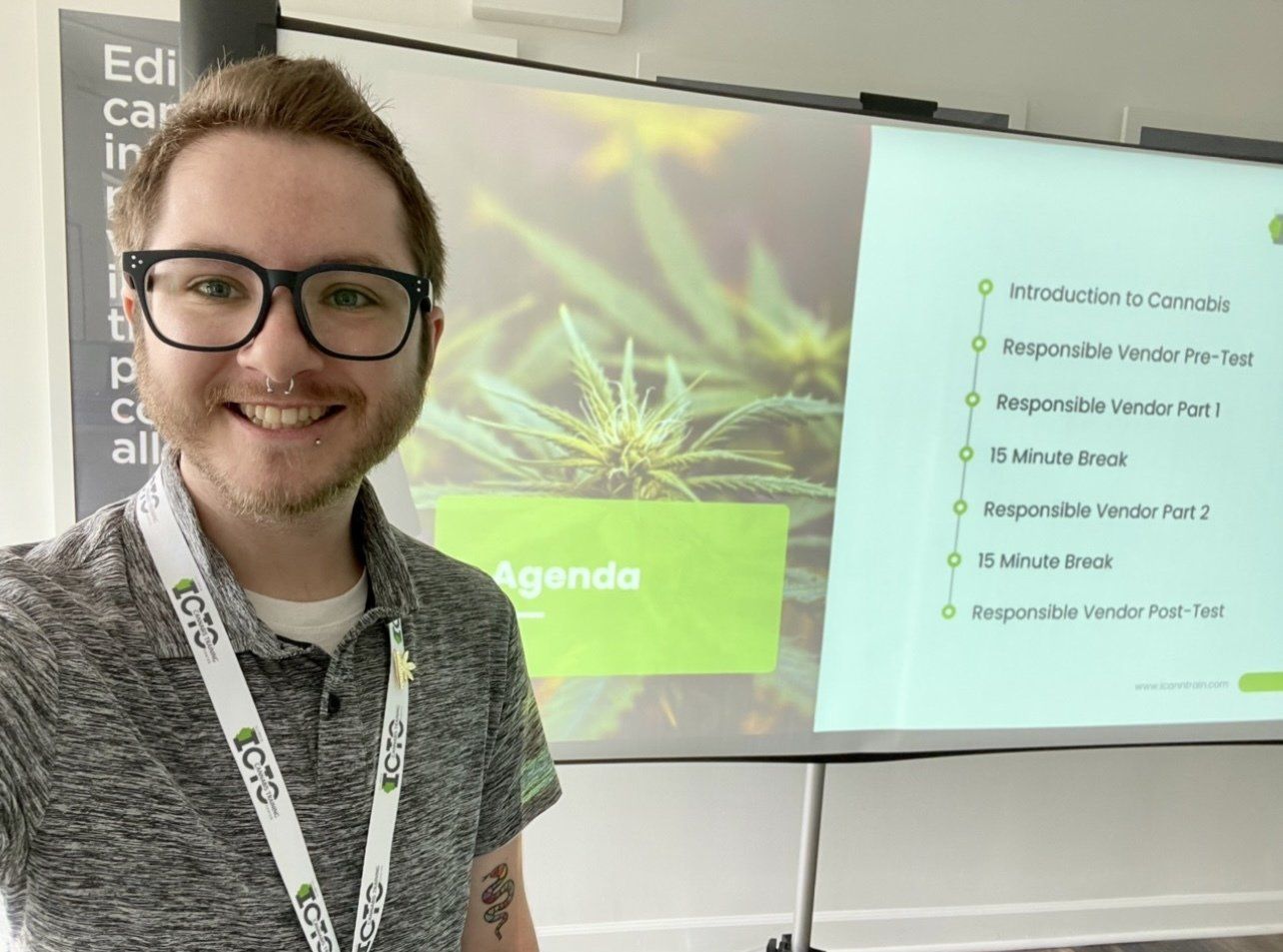
A man wearing glasses is standing in front of a projector screen.
By India Phoenix November 15, 2022
Becoming licensed to work in the Illinois cannabis industry is simple, if you meet the minimum requirements. In the state of Illinois, you must be at least 21 years old, pass a criminal background check, and complete the Responsible Vendor Training to become a certified budtender or cannabis industry worker.
A group of people are sitting around a table with a laptop on it.
By India Phoenix October 27, 2022
Start Your Career in Cannabis Now