

What’s the Buzz About Trump Signing the Cannabis Rescheduling Order?
What’s the Buzz About Trump Signing the Cannabis Rescheduling Order?
A Real Look at What’s Happening, What People Are Saying, and What It Means for the Industry.
If you’ve been scrolling cannabis news feeds lately, you’ve probably seen a flurry of headlines about President Trump and cannabis rescheduling. But what’s real, what’s rumor, and what actually matters for the industry? Let’s break it down in a way that’s interesting, honest, and grounded in facts.
The Big Moment: Trump
Did Sign an Order, But It Isn’t Full Legalization
On December 18, 2025, President Trump signed an executive order directing the U.S. government to speed up the long-stalled process of moving cannabis from Schedule I, where it’s listed with heroin and LSD, to Schedule III, alongside drugs like Tylenol with codeine. This move was widely reported by major outlets, including CBS News.
This is a major federal shift in U.S. drug policy, but here’s the critical nuance: this order does not instantly legalize cannabis nationwide, nor does it immediately change how state-legal markets operate. The executive order directs federal agencies, particularly the Department of Justice and the DEA, to complete the formal legal steps required under the Controlled Substances Act, as outlined by legal analysts at The Ohio State University’s Drug Enforcement and Policy Center.
Timeline: When It Happened and What’s Next
December 18, 2025
President Trump signed the executive order initiating cannabis rescheduling, officially kicking off the federal rulemaking process. (CBS News)
Rulemaking Still Pending
While the order is signed, the rescheduling isn’t final yet. The Attorney General must complete a formal rulemaking process, which includes issuing proposed rules, allowing for public comment, and then publishing final regulations. According to legal experts at OSU’s Drug Enforcement and Policy Center, this process can take months, or longer, depending on legal challenges or administrative delays. (Moritz College of Law)
In other words, while the direction is set, implementation takes time.
What Industry People & Experts Are Saying
Optimistic Reactions
Across much of the cannabis industry, reaction has been cautiously celebratory.
Cannabis executives, investors, and policy watchers have called the move “historic,” particularly because it signals a federal acknowledgment of cannabis’s medical value. Industry leaders interviewed by Business of Cannabis noted that rescheduling could dramatically shift how cannabis businesses are viewed by regulators, banks, and investors. (Business of Cannabis)
One of the most talked-about benefits is the potential removal of IRS Section 280E, which currently prevents cannabis businesses from deducting standard operating expenses. Analysts told Cannabis Business Times that eliminating 280E could significantly improve margins and operational stability for licensed operators. (Cannabis Business Times)
Cautious or Critical Voices
Not everyone sees this as a win.
Advocacy groups, including the Drug Policy Alliance, warn that moving cannabis to Schedule III still keeps it criminalized at the federal level. This means arrests, enforcement disparities, and access issues could continue, especially for communities already disproportionately impacted by prohibition. (Drug Policy Alliance)
Others argue the move primarily helps large, well-capitalized companies while leaving social equity and criminal justice reform largely unaddressed.
What This
Actually Means for the Cannabis Industry
1. Potential Tax Relief
If Schedule III status becomes final, cannabis businesses may finally escape the burdens of Section 280E, allowing them to deduct payroll, rent, and other ordinary business expenses, a long-standing pain point for operators. (Cannabis Business Times)
2. Expanded Research Opportunities
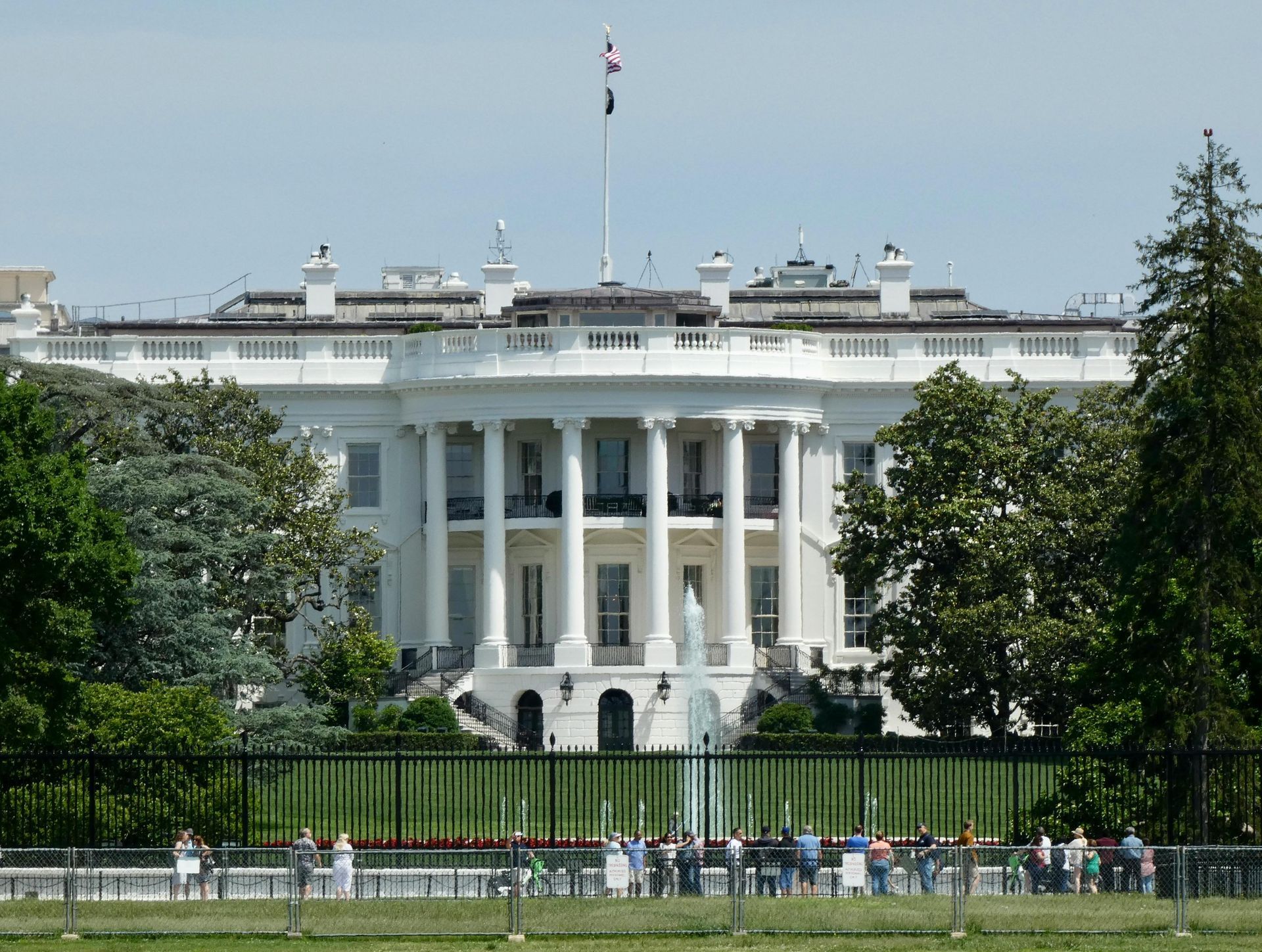
Schedule III classification could make it easier for researchers to study cannabis for medical use. The federal government has already signaled interest in expanding legitimate cannabis research, particularly around medical applications. (White House)
3. No Instant Federal Legalization
Rescheduling does not mean:
- Nationwide recreational legalization
- Interstate cannabis commerce
- State laws being overridden
Local and state laws will still determine access and legality. While moving cannabis to Schedule III is a significant federal policy shift, it does not make cannabis federally legal and does not override existing state cannabis regulations — a distinction legal analysts emphasize in detailed breakdowns of what the rescheduling order does and does not change for the industry, including this analysis from Akerman LLP.
4. Medical Cannabis Likely Comes First
Early federal impacts are expected to focus on medical cannabis and research pathways. MJBizDaily reports that recreational markets may see little immediate change, while medical programs could benefit sooner. (MJBizDaily)
What People Are Saying Online: Hype vs. Reality
Social media reactions range from excitement to confusion. Some investors believe rescheduling is the first step toward full legalization, while others caution that implementation still has many hurdles. Online forums like Reddit reflect this divide, with users debating whether this move is symbolic or substantive. (Reddit Discussion)
Industry professionals tend to focus on tangible outcomes, taxes, research, and regulatory legitimacy, while activists point to what’s still missing: expungement, equity, and true descheduling. (Drug Policy Alliance)
Bottom Line: A Big Shift, But Not the Finish Line
This executive order marks one of the most significant federal changes to cannabis policy in decades. It could:
- Reduce financial pressure on legal businesses
- Expand research and medical understanding
- Increase legitimacy for the cannabis industry
But it’s not full legalization, and it doesn’t end prohibition outright. As legal scholars emphasize, rescheduling is just one step in a longer policy journey. (Moritz College of Law)
For cannabis professionals, students, and businesses alike, this moment is worth watching closely, with excitement, optimism, and realistic expectations.